Cupid Flower: A Valentine’s Display Font That Elevates Small Business Branding
A Font That Adds Heart to Brand Identity
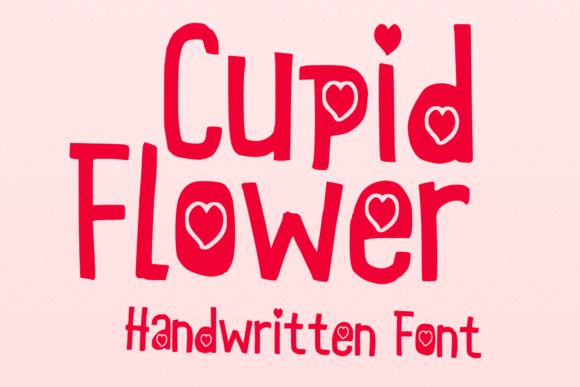
While helping a local boutique refresh their Valentine’s Day packaging, I came across Cupid Flower—a charming display font that immediately caught my eye. As a creative consultant, I’m always on the lookout for design assets that can bridge the gap between professional branding and a warm, personal touch. Cupid Flower delivers that balance effortlessly. It’s a playful, romantic typeface that feels handmade yet polished, perfect for small businesses aiming to stand out with personality and professionalism.
Perfect for Valentine’s-Themed Branding Materials
The boutique was preparing custom gift tags and greeting cards for their seasonal collection. We wanted something that felt festive but not cheesy, stylish but not overly formal. Cupid Flower brought just the right amount of whimsy to the design without sacrificing legibility or brand credibility. Its rounded edges and soft curves give it a friendly, approachable look—ideal for businesses in the gifting, beauty, or lifestyle niches.
We used it for product tags, packaging labels, and even digital assets like Instagram stories. Whether printed on kraft paper or displayed on a mobile screen, the font maintained its charm while remaining clear and readable. It’s definitely a font that works best for short-form text—logos, headlines, and accent phrases—but that’s exactly where it shines most.
How Cupid Flower Supports a Cohesive Visual Identity
Typography plays a critical role in how customers perceive your brand. The right font can instantly communicate tone, personality, and trustworthiness. Cupid Flower, as a display font, is perfect for crafting memorable visual moments. It’s not meant to be used for body text, but rather as a decorative accent that highlights key brand elements—like a shop name on a sticker, a tagline on a thank-you card, or a featured product name on a menu.
We paired it with a clean sans serif for secondary text, which helped maintain visual hierarchy and balance. This kind of font pairing is essential for readability and design harmony. Cupid Flower stood out as the star of the layout, while the supporting font ensured the overall design remained professional and easy to digest.
Real-World Use Cases for Small Businesses
I’ve since recommended Cupid Flower to a number of small business clients, each with great success:
- A candle maker used it for limited-edition Valentine’s jar labels, giving their products a boutique feel.
- A local café updated their seasonal menu headers with Cupid Flower, adding a touch of romance to their branding.
- An online shop incorporated the font into their Instagram templates, making their promotions feel more personal and on-brand.
- A skincare brand used it for gift set packaging, creating a soft, luxurious aesthetic that resonated with their audience.
In each case, the font helped create a stronger emotional connection with the customer. It added warmth and intentionality to the design, which is especially important in a crowded market where visual consistency can set you apart.
What to Consider Before Using Cupid Flower
Before incorporating Cupid Flower into your branding, it’s important to test its versatility and ensure it aligns with your brand’s voice. Here are a few practical tips:
- Check the file formats: Make sure it includes web and print versions if you plan to use it across both digital and physical assets.
- Look for alternates and ligatures: These can help avoid repetition and give your design a more custom feel.
- Verify commercial licensing: Always confirm that the font allows for commercial use, especially if you’re applying it to merchandise, packaging, or client work.
- Test readability: While Cupid Flower is highly stylized, it works best at larger sizes. Avoid using it for very small text or long paragraphs.
When used thoughtfully, Cupid Flower can become a signature design element in your brand toolkit. It’s a premium font that adds a sense of care and craftsmanship to your visual identity—something every small business should aim for.