How the Bibliography Font Can Elevate Your Small Business Branding
A Real Moment That Sparked a Brand Refresh
Let me take you back to a recent morning at a local café I consult with. The owner, Mia, was prepping new menu cards and wanted a design that felt more “grown-up” but still approachable. She had tried a few fonts she found online, but nothing quite clicked. That’s when I suggested trying Bibliography — a display font that’s been on my go-to list for branding projects. We downloaded a test version and applied it to the menu headers. The result? Instant polish. The font gave the café a more refined identity without losing its cozy charm.
What Makes Bibliography Stand Out
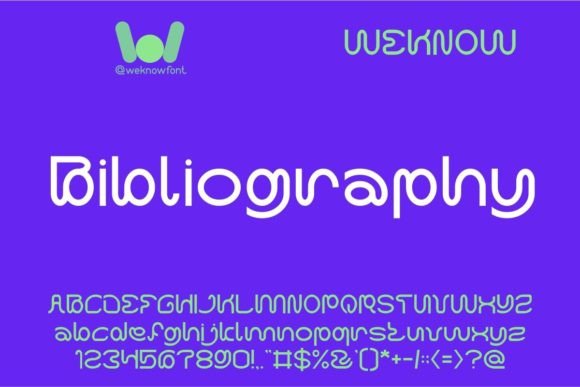
Bibliography is a display font with personality — it’s elegant, a bit vintage, and undeniably stylish. It walks the line between decorative and readable, making it perfect for headlines, logos, and other attention-grabbing text. Unlike basic system fonts, this one adds a touch of sophistication and storytelling to your visuals. Whether you're printing product tags or designing a YouTube banner, it brings a curated, intentional feel to your brand presence.
It’s not just about looks, either. The font has a strong visual rhythm that helps guide the eye and create a clear hierarchy in your design. This is crucial for small businesses trying to make a memorable first impression — whether it's on a coffee sleeve, a candle label, or a social media post.
Putting Bibliography to Work in Real Business Materials
We tested Bibliography across several of Mia’s materials. First, the café menus. We used it for section headers like “Pastries” and “Espresso Drinks.” It contrasted beautifully with a simple sans serif body font, creating a clean, modern-yet-warm layout. Then we applied it to thank-you cards printed on recycled paper — perfect for leaving a lasting impression with customers.
We also tried it for a new line of limited-edition packaging boxes for a seasonal cookie line. The font’s slightly serifed edges gave the packaging a timeless feel, and because it's a display font, it worked well at medium sizes without becoming hard to read. We avoided using it for long paragraphs, sticking to titles and short phrases, which is where this font shines brightest.
Where Bibliography Works Best (And Where to Be Cautious)
This font is ideal for short, impactful text. Think logos, brand names, product titles, social media headers, and packaging accents. It’s not meant for long-form body copy — that’s where a clean sans serif or classic serif font should take the lead.
For example, a boutique might use Bibliography for hang tags on clothing items, paired with a minimalist sans serif for size and care instructions. A skincare brand could apply it to the front of a cream jar, while using a smaller, simpler font on the back for ingredient lists. Just keep in mind that for very small print — like on a business card — you might want to test the font size first to ensure readability.
Pairing Bibliography with Other Fonts for a Balanced Look
One of the biggest advantages of using a bold display font like Bibliography is how well it pairs with other typefaces. For a modern café brand, we combined it with a clean, light sans serif for menu descriptions and pricing. The contrast between the two created a sense of balance and professionalism.
For a more elegant or luxury feel — say, on a boutique tag or a candle label — pairing it with a thin script or a soft serif font can elevate the overall design. The key is to let Bibliography be the visual anchor, while supporting fonts handle the functional details.
Important Notes Before You Use It Commercially
Before you start using Bibliography across your branding, make sure you have the right license. Most premium display fonts come with a commercial use license, but it’s always good to double-check. Also, look into what font files are included — you’ll likely get OTF and TTF versions, which are compatible with most design software.
Some versions of Bibliography may include ligatures, alternates, and multiple weights, which give you more creative flexibility. If you’re designing for international markets, check for multilingual support to ensure all characters are included.
Final Takeaway: A Small Font Change With Big Brand Impact
Back at the café, Mia was surprised at how much of a difference a single font made. She said it felt like her brand had finally “grown up” — and her customers noticed too. That’s the power of thoughtful typography. Bibliography isn’t just a font — it’s a design tool that can help small businesses look more cohesive, trustworthy, and visually engaging.
If you’re working on a logo, packaging, social media kit, or any customer-facing design, give Bibliography a try. It might just be the missing piece that makes your brand feel more intentional and memorable.