How the Merry Candy Font Can Elevate Your Small Business Brand
A Real Business Moment: Updating Our Bakery Packaging
As the holiday season approached, my small artisan bakery was preparing a limited-edition line of Christmas-themed treats. We wanted our packaging to feel festive, memorable, and just a little whimsical. That’s when I discovered Merry Candy—a display font inspired by the classic Candy Cane. At first glance, it looked like just another holiday font, but after putting it to use across our branding materials, I realized how much more it could do for a small business than just add seasonal flair.
What Is Merry Candy and Why It Stands Out
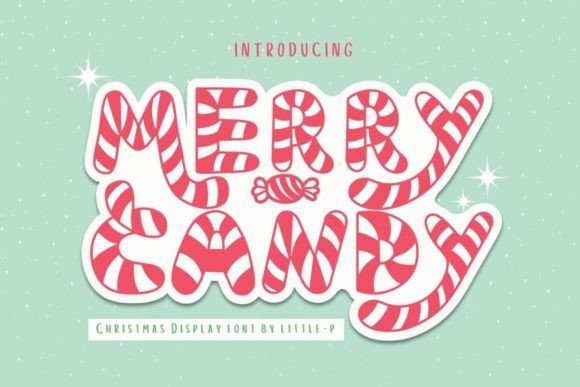
Merry Candy is a display font with a cheerful, hand-drawn aesthetic that instantly brings a sense of fun and warmth. Its curves mimic the twist of a candy cane, and each letter has a slightly irregular, organic feel that makes it feel personal and approachable. It’s not meant for long paragraphs or body text—this is a font for headlines, logos, and accents that need to pop. As a creative consultant, I often recommend display fonts like this one for small businesses looking to inject personality into their brand without sacrificing professionalism.
Putting It to Work: Real-World Business Applications
We used Merry Candy on our bakery boxes, gift tags, and even our holiday Instagram stories. The results were eye-catching and cohesive. The font’s unique character made our packaging feel custom-made and festive, without looking overly busy or cartoonish. It worked beautifully on our product labels, especially when paired with a clean sans serif for secondary text. I’ve also seen it used effectively by a candle maker for holiday jar labels and a boutique owner for gift tags and holiday cards. Whether you're designing a café menu for December or creating a branded holiday promotion for your online shop, this font brings a level of charm that’s hard to replicate with more standard typefaces.
Why Typography Matters for Small Business Branding
Typography plays a subtle but powerful role in how customers perceive your brand. A well-chosen font like Merry Candy can make your business look more polished, consistent, and memorable. First impressions are often visual, and the right typeface can communicate warmth, trust, or professionalism in a matter of seconds. For small businesses, especially those selling handmade or seasonal goods, using a premium display font like this can elevate your design from looking like a side hustle to feeling like a fully developed brand.
Best Use Cases and Readability Tips
Merry Candy shines brightest when used for short, impactful text. It’s ideal for:
- Logo design (especially holiday or seasonal brands)
- Packaging titles and product names
- Thank-you cards and gift tags
- Social media graphics and holiday banners
- Printed flyers and in-store signage
For best results, keep text short and use it at a larger size to maintain readability. This font isn’t suited for small print or long paragraphs. On digital screens, especially mobile, make sure it’s used in high-contrast settings so the details don’t get lost. When designing product mockups or packaging, test how the font looks in different colors and sizes before printing.
Pairing Suggestions for a Balanced Design
One of the most powerful ways to use a standout font like Merry Candy is to pair it with something more neutral. For example:
- Pair with a clean sans serif like Montserrat or Open Sans for modern contrast
- Combine with a script font for a more elegant, handwritten feel
- Use with a serif font to add a touch of tradition and sophistication
These combinations help maintain visual interest while keeping your overall design balanced and easy to read. The key is to let Merry Candy be the star of the show while supporting it with more understated typography.
What to Check Before You Use It
Before using any font in a commercial setting, especially for product packaging or digital downloads, it’s important to verify the licensing. Make sure the version of Merry Candy you’re using includes a commercial license. Also, check what font styles, ligatures, and alternate characters are included—these can add variety and customization to your designs. If you’re targeting international customers, confirm that the font supports multiple languages and special characters.